
Every parent knows that protecting their little one’s delicate senses is a top priority. Among all the protective measures parents take, safeguarding an infant’s hearing often gets overlooked until that first fireworks show, wedding reception, or airplane trip. Babies are born with incredibly sensitive hearing – far more delicate than adults and exposure to loud environments can cause discomfort, stress, and potentially long-term damage.
Common noisy situations that parents encounter include weddings where music blares late into the night, air travel with engine roar, music festivals, fireworks displays, sporting events, and even household activities like vacuuming. In these scenarios, infant noise reduction headphones become essential gear for responsible parents.
This comprehensive guide for 2026 covers everything parents need to know: how these products are tested, what safety standards matter, and which options truly meet real parent needs. The research presented here is backed by pediatric guidelines, parent experiences, and updated product testing specifically for 2026. By the end, parents will feel confident choosing the right baby ear protection for their unique situations.
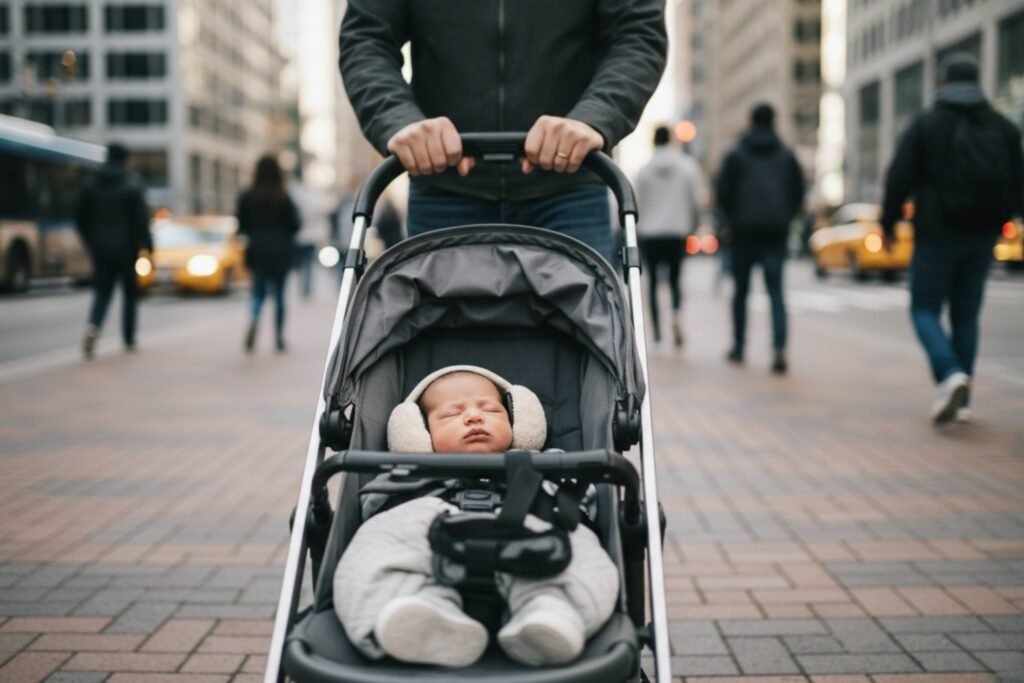
What Are Infant Noise Reduction Headphones?
Parents shopping for hearing protection often get confused between different product types. It’s important to understand that infant hearing protection refers to earmuff-style devices designed purely to reduce ambient noise – not audio headphones that play music or sounds.
These specialized baby earmuffs work through passive noise reduction, using thick padding and sealed ear cups to physically block sound waves from reaching the infant’s ears. Unlike adult noise-cancelling headphones that use electronic active noise cancellation (ANC), products designed for babies rely entirely on physical barriers. This is crucial because infants should never use sound-playing headphones or devices with electronic components pressed against their developing heads.
The age range for these products typically spans from newborns (0 months) up to 24 months, though some adjustable models can extend beyond toddler years. The key difference between newborn headphones and those for older babies lies in the headband design, pressure distribution, and accommodation for soft spots (fontanelles) that haven’t yet closed.
Are Noise Reduction Headphones Safe for Infants?
From a pediatric and audiological perspective, properly designed hearing protection is not just safe – it’s often necessary. Audiologists generally recommend that infants avoid sustained exposure to sounds above 70 decibels, and any sound above 85 decibels can potentially cause hearing damage even with brief exposure.
Safe decibel levels for infants are considerably lower than for adults. A normal conversation registers around 60 decibels, while a lawnmower hits 90 decibels, and fireworks can exceed 140 decibels. Baby earmuffs with appropriate NRR ratings help bring dangerous sound levels down to safer ranges.
Regarding duration, infants can wear properly fitted hearing protection for several hours at a time, though parents should monitor for signs of discomfort. Most pediatric experts suggest checking every 30-60 minutes to ensure proper fit and baby comfort.
Common myths parents believe include thinking that any exposure to loud noise “toughens up” a baby’s ears (false—it only causes damage), that babies will naturally cover their ears if sounds are too loud (infants lack this protective instinct), or that crying means the headphones are hurting them (often babies cry simply because they’re not used to wearing them).
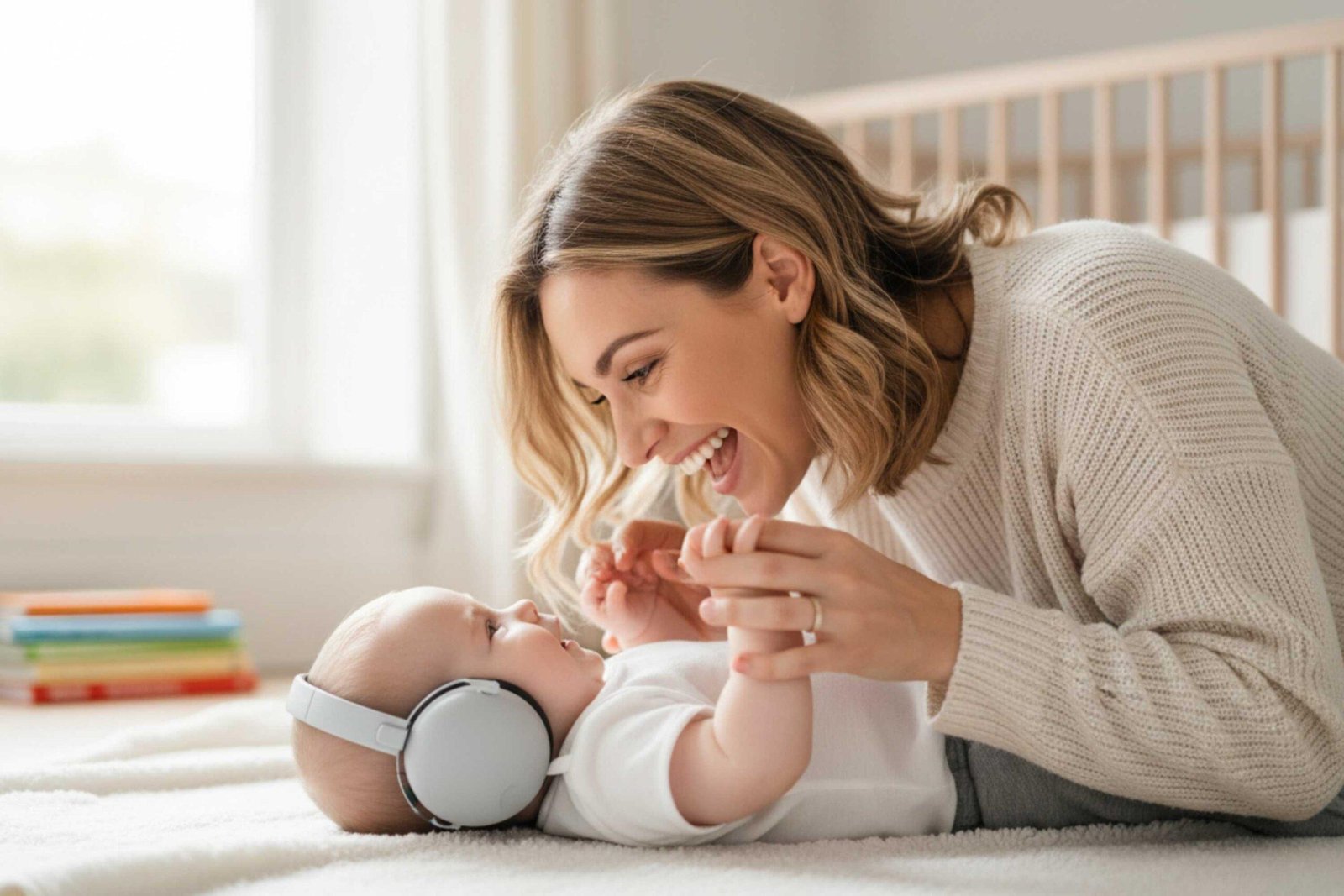
How We Chose the Best Infant Noise Reduction Headphones
Selecting the best products requires rigorous evaluation across multiple factors. Here’s how top-performing models were assessed for 2026.
Comfort and Pressure Distribution: The most critical factor is ensuring headphones don’t apply pressure to soft spots. Fontanelles remain open for months after birth, so headband design must distribute weight across the skull’s harder areas. Padding quality and ear cup depth also affect comfort significantly.
Noise Reduction Rating (NRR): The NRR rating indicates how many decibels a product reduces. For instance, an NRR of 25 means the headphones reduce sound levels by approximately 25 decibels. For infant hearing protection, an NRR between 22-31 is ideal—enough protection without complete isolation from caregivers’ voices.
Fit and Adjustability: Babies grow incredibly fast. The best models feature highly adjustable headbands that accommodate growth from newborn through toddler stages. Some use flexible bands, while others employ size adjustment mechanisms.
Materials and Safety: All recommended products use BPA-free plastics, hypoallergenic padding, and skin-safe materials. Certifications from safety organizations provide additional assurance.
Weight and Clamp Force: Lightweight designs (under 200 grams) prevent neck strain, while appropriate clamp force keeps headphones secure without causing discomfort. Too loose and they fall off; too tight and they cause pain.
Real-World Use Cases: Products were evaluated for sleeping, travel, outdoor events, and everyday scenarios. Parent reviews and expert feedback from pediatric audiologists informed final selections.
Value for Money: In 2026’s economy, parents need products that deliver genuine protection without breaking the budget.
Top Picks of Best Overall Infant Noise Reduction Headphones in 2026
Best Overall Infant Noise Reduction Headphones (2026)
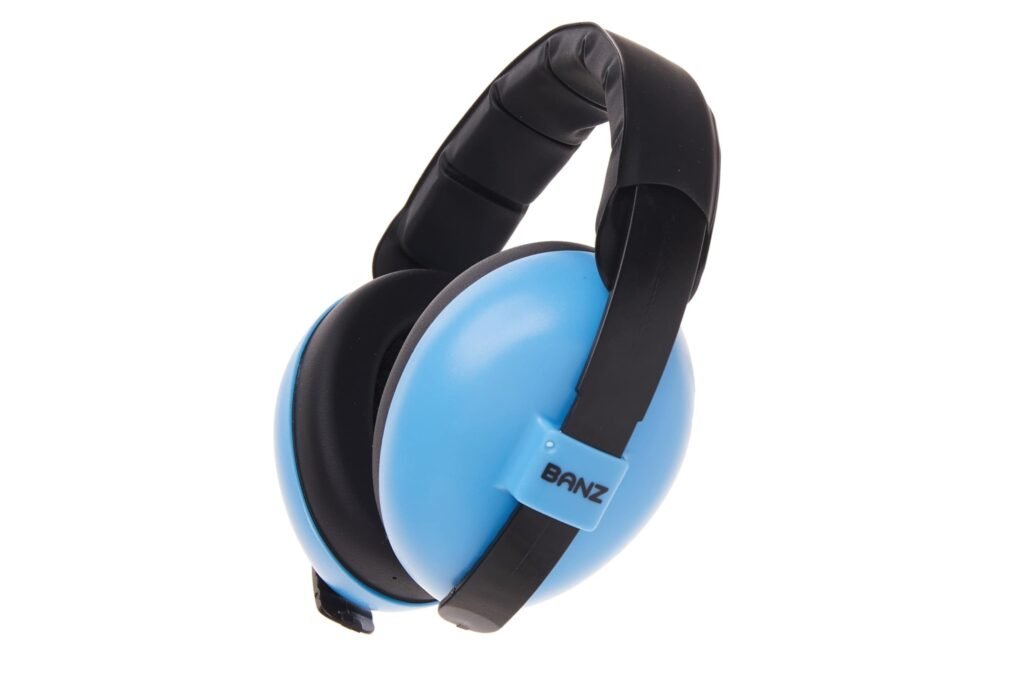
Baby Banz Infant Hearing Protection Earmuffs
For parents seeking the perfect balance of protection, comfort, and versatility, Baby Banz consistently rises above the rest. These industry-leading earmuffs suit families who need reliable noise cancelling headphones for babies across multiple scenarios—from weekly errands to special events. With celebrity endorsements (spotted on Prince George and DJ Khaled’s son Asahd) and countless parent testimonials, these have proven their worth in real-world conditions.
Key Features:
- NRR Rating: 31 decibels (highest available for infant headphones)
- SNR: 26 dB
- Age Range: 0-24+ months
- Weight: 141 grams (5 oz)
- Adjustable padded headband with soft foam-filled cushions
Pros:
- Industry-leading noise reduction rating
- Ultra-lightweight design prevents neck strain
- Exceptional comfort for extended wear—babies sleep in them
- Well-padded ear cups and headband
- Available in over 15 colors and patterns
- Low-profile design with no protruding parts
- UV-protected shell for outdoor use
- Foldable and portable
Cons:
- Higher price point at around $25
- Slightly less clamp strength than competitors (may slide on very active babies)
- No carrying case included
Real Parent Review: GH Institute staffer Stefani Sassos reports her 9-month-old wore these comfortably at a loud family event where her Apple Watch registered dangerous noise levels and her own ears were ringing afterward.
Ideal Use Cases: Weddings, air travel, concerts, sporting events, fireworks displays, and any situation requiring 2+ hours of continuous wear. Best Noise Reduction Headphones for Newborns
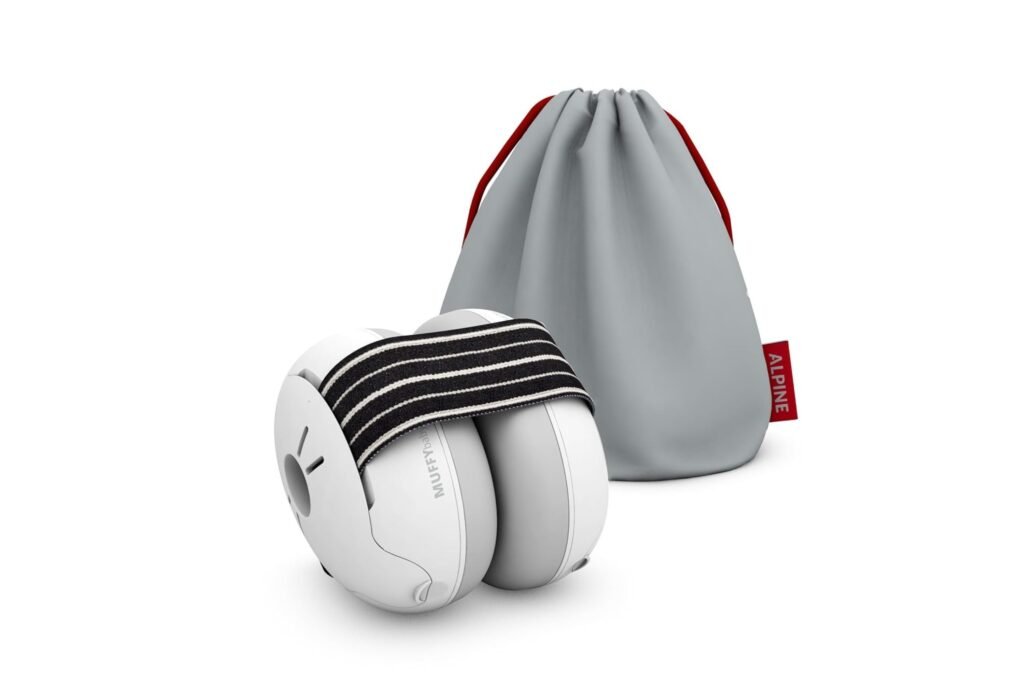
Alpine Muffy Baby Ear Protection
Newborns require special consideration due to their tiny heads and open fontanelles. The Alpine Muffy Baby features a specialized wraparound headband design rather than a traditional over-head style, distributing pressure away from soft spots. This CE and ANSI certified Dutch-designed model has won awards and garnered praise from parents specifically for newborn use.
This model is designed for 0-48 months (recently updated from 36 months), with ultra-soft padding and a flexible band that molds to each baby’s unique head shape. The headband versus over-head design comparison clearly favors this wraparound approach for the youngest infants, as it eliminates any pressure on the top of the skull.
Key Specifications:
- NRR Rating: 23-24 dB SNR (newer model offers 24 dB)
- Age Range: Birth to 4 years
- Headband: Soft, adjustable elastic with pre-defined angle
- Materials: Hypoallergenic, BPA-free, silicone-free
- Design: Multiple layers of noise-reducing foam
- Includes: Carrying pouch
Why This Model is Safest for Newborns: The Alpine Muffy Baby’s engineering prioritizes fontanelle safety through wider weight distribution, gentler materials, and lower clamp force. The specially designed soft headband sits across the forehead below the fontanelle, ensuring no pressure on vulnerable areas. The new 2024 model is 8mm thinner than previous versions and features a pre-angled headband that’s ready to use immediately.
Real Parent Review: One parent shared: “I bought this for my 2-month-old granddaughter. It is perfect for when she goes to her sister’s cheer competition.”
Best For: Parents of newborns through 6 months, babies with sensitivity to pressure, and families prioritizing fontanelle safety.
Best Budget Infant Noise Reduction Headphones
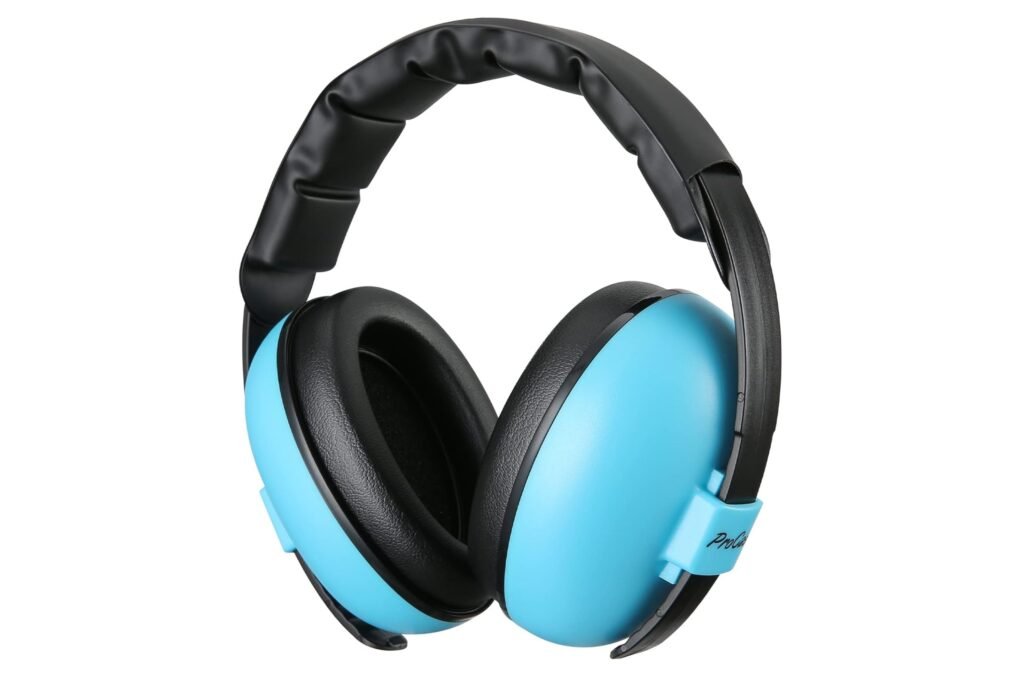
ProCase Baby Ear Protection
Not every family needs premium features, and some situations only require occasional use. Budget-friendly options under $20 deliver essential baby ear protection without unnecessary extras, making them perfect for cost-conscious parents or as backup pairs.
Key Specifications:
- NRR Rating: 21-22 dB
- Age Range: 3-24 months
- Weight: Lightweight (under 200g)
- Materials: ABS plastic, foam padding
- Price Range: $15.99-$19.99
What You Sacrifice:
- Lower NRR rating (21-22 dB vs. 31 dB premium models)
- Simpler materials and basic padding
- No carrying case
- Less adjustability for long-term growth
- May not fit as securely on very small or very large heads
What You Don’t Sacrifice:
- Safety certifications and BPA-free construction
- Effective noise reduction for moderate noise environments (restaurants, household noise, conversation)
- Lightweight comfort
- Multiple color options
Real Parent Review: Testing parent Korin noted, “These are much cheaper than the competition” and was impressed by durability despite the lower price point. Another reviewer called them “a solid budget-friendly option.”
Best For: Families attending occasional loud events, backup pairs for grandparents’ houses, parents testing whether their baby tolerates headphones before investing more, or situations under 100 decibels (loud restaurants, travel, household tasks).
Best Infant Headphones for Sleeping & Travel
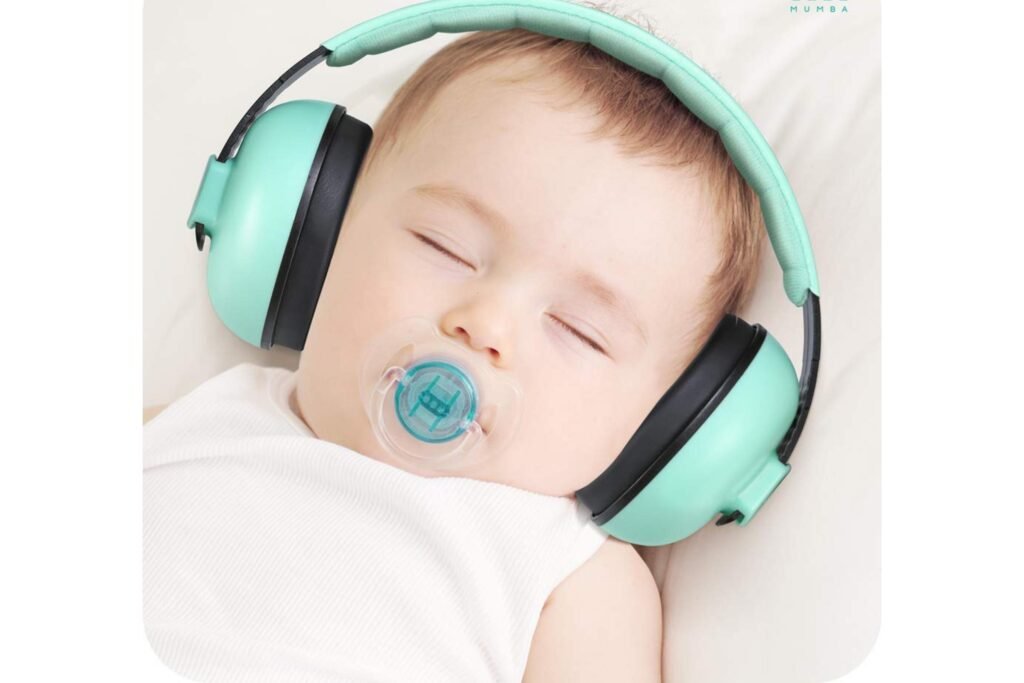
Mumba Baby Earmuffs
Long flights, road trips, and naptime in busy environments demand ultra-lightweight comfort. The Mumba Baby Earmuffs weigh just 103 grams (3.63 oz) and feature extra-soft padding that cradles sleeping babies without causing pressure points. Named best overall by The Bump after extensive testing, these earmuffs exceeded audiologist recommendations and proved incredibly durable.
Key Specifications:
- NRR Rating: 31 dB (highest possible)
- SNR: 26 dB
- Age Range: 3 months to 3+ years
- Weight: 103 grams (3.63 oz) – lightest option reviewed
- Materials: ABS plastic, professional noise-dampening sponge
- Interior: Large internal space prevents ear pressure
- Headband: Soft, padded, skin-friendly
- Colors: 12+ options available
Lightweight Comfort Focus: Parents consistently report babies falling asleep while wearing these more readily than with heavier models. The thin profile works exceptionally well with car seats and strollers. One tester’s baby wore them for 45 minutes straight without complaint and even fell asleep in them.
Durability Testing: The Bump’s testing involved placing the earmuffs in a diaper bag and tossing it down stairs—afterward, no scratches or dents were found. The foam headband proved remarkably durable against stretching and twisting.
Real Parent Scenarios:
- “My baby didn’t seem to mind wearing them—she even fell asleep in them!” – Testing parent
- “She was nine months old at the time and comfortable in them. We used them at a loud family event where my Apple Watch was giving ‘loud noise environment’ notifications” – Parent testimonial
- Babies have slept through wedding receptions while wearing these on dance floors
Ideal For: Flights lasting multiple hours, hotel stays near noisy streets, napping at outdoor events, road trips, and any situation where a baby needs to sleep despite surrounding noise.
Best For: Travel-focused families, parents prioritizing sleep comfort, and those wanting premium protection at mid-range pricing ($20 vs. $25).
Best Infant Noise Reduction Headphones for Growing Babies
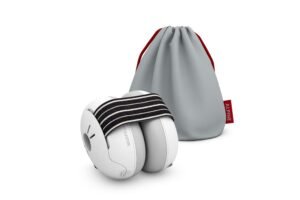
Alpine Muffy Baby Comfort (New 2024 Model)
For parents seeking long-term value, the updated Alpine Muffy Baby Comfort model offers exceptional adjustability from ages 3-48 months—extending use through the toddler years and beyond. This new 2024 version features improved noise reduction (24 dB vs. 23 dB in the classic model) and enhanced design specifically engineered for growing children.
Key Specifications:
- NRR Rating: 24 dB SNR
- Age Range: 3-48 months (up to 4 years)
- Design: 8mm thinner than previous model
- Fit: Multi-adjustable with Velcro closure
- Pre-angled headband for easier application
- CE & ANSI Certified
- Includes travel bag
Adjustable Fit Benefits: Rather than buying new headphones every few months as baby grows, this model accommodates head circumference changes from infant through preschool age. The adjustable band with hook-and-loop closure allows parents to customize fit precisely. The earmuff shells slide easily onto the headband and lock into position.
Why It’s Best for Growing Babies:
- Extended age range (4 years vs. typical 2-3 years)
- More stable fit than previous models
- Ready to use immediately (pre-positioned at correct angle)
- Transitions smoothly to Muffy Kids for ages 5+
- Durable construction withstands years of use
Real Parent Feedback:
- “It fits comfortably and my baby is completely fine wearing it, and it helped keep him calm in a loud environment”
- “I bought this for my 2-month-old granddaughter. It is perfect for when she goes to her sister’s cheer competition”
Durability & Longevity: The durable construction means it often gets passed down to younger siblings. Parents report 2-3 years of regular use without wear issues, making the higher initial cost worthwhile.
Best For: Families with multiple planned children, parents wanting a “buy once” solution, babies in the 6-48 month range who need protection for various activities, and those willing to invest $35 for 3-4 years of use.
Best Infant Noise Reduction Headphones (2026)
| Product Name | Age Range | NRR Rating | Weight | Price | Best For |
| Baby Banz Infant Earmuffs | 0-24+ months | 31 dB | 141g | Check on Amazon | All-purpose, maximum protection |
| Alpine Muffy Baby | 0-36 months | 23-24 dB | ~150g | Check on Amazon | Newborns, fontanelle safety |
| ProCase | 3-24 months | 21-22 dB | <200g | Check on Amazon | Budget, occasional use |
| Mumba Baby Earmuffs | 3-36+ months | 31 dB | 103g | Check on Amazon | Travel, sleep, lightweight |
| Alpine Muffy Baby Comfort | 3-48 months | 24 dB | ~150g | Check on Amazon | Long-term growth, 4+ years |
How to Choose the Right Infant Noise Reduction Headphones
Selecting the perfect hearing protection involves matching product features to specific needs. Here’s a step-by-step approach:
Step 1: Determine Baby’s Age and Head Size – Newborns need specialized designs, while older babies (6+ months) can handle standard adjustable models.
Step 2: Assess Noise Environments – Consider typical situations. Occasional use at moderately loud events requires different protection than weekly exposure to very loud environments.
Step 3: Evaluate NRR Requirements – Higher isn’t always better. An NRR of 22-25 works for most situations, while 26-31 suits extremely loud environments like airshows or construction zones.
Step 4: Balance Comfort vs. Protection – Maximum noise reduction often comes with bulkier designs. For sleeping babies, prioritize lightweight comfort even if it means slightly lower NRR ratings.
Step 5: Consider Budget and Longevity – Adjustable models cost more initially but provide better long-term value for growing babies.
When Should Infants Use Noise Reduction Headphones?
Events Where They’re Helpful:
- Weddings and receptions with live music or DJs
- Air travel during takeoff, landing, and cruising
- Fireworks displays and celebrations
- Sporting events in loud stadiums
- Music festivals and outdoor concerts
- Household projects like vacuuming or power tool use
- Parades with marching bands
Situations Where They’re Unnecessary:
- Normal household conversation and activity
- Quiet restaurants or indoor shopping
- Parks and playgrounds at typical volume levels
- Car rides at normal speeds with windows up
Signs Your Baby Is Overstimulated by Noise:
- Excessive crying or fussiness in loud environments
- Covering ears with hands
- Startling frequently
- Difficulty settling or sleeping
- Appearing distressed or anxious
Common Mistakes Parents Make (And How to Avoid Them)
Buying Adult or Toddler Headphones: Adult-sized ear protection doesn’t fit infant heads properly, leaving gaps that allow noise through while applying uncomfortable pressure. Always choose products specifically designed for the infant age range.
Overusing Headphones: While hearing protection is important, babies also need to hear normal environmental sounds for healthy auditory development. Reserve use for genuinely loud situations rather than everyday life.
Ignoring Fit and Pressure: A poor fit defeats the purpose. Parents should regularly check that ear cups fully cover ears, headbands sit correctly without pressing on soft spots, and babies show no signs of discomfort.
Confusing Noise Reduction with Sound Cancellation: Active noise cancellation (electronic) isn’t appropriate for infants. Passive noise reduction through physical barriers is the only safe approach for baby earmuffs.
FAQs
Are infant noise reduction headphones safe?
Yes, when properly designed and correctly fitted, these products are completely safe. They use passive noise reduction—physical barriers rather than electronics—making them appropriate even for newborns. Always ensure products meet safety certifications and don’t apply pressure to fontanelles.
What is a good NRR for infants?
An NRR rating between 22-27 decibels works well for most situations. This range reduces harmful noise levels while still allowing babies to hear caregivers’ voices. Extremely loud environments (above 100 decibels) may benefit from higher ratings of 28-31.
Can babies sleep with noise reduction headphones?
Absolutely. Many parents find baby earmuffs essential for helping infants sleep during travel, in hotels, or at events. Choose lightweight models with soft padding specifically designed for extended wear. Always supervise sleeping babies wearing headphones.
Do these headphones block all sound?
No, and they shouldn’t. Even the highest-rated models reduce rather than eliminate sound. This is actually beneficial, as babies need to hear some environmental noise and respond to parents’ voices for safety and development.
How long can my baby wear them safely?
Infants can wear properly fitted hearing protection for several hours continuously. However, parents should check fit and comfort every 30-60 minutes, especially for younger babies. Remove headphones periodically to prevent skin irritation from prolonged contact.
Expert Tips for Using Infant Noise Reduction Headphones Safely
Proper Fitting Tips:
- Adjust the headband before placing on baby’s head
- Ensure ear cups completely cover ears without gaps
- Check that the band doesn’t press on fontanelles
- Confirm a snug but not tight fit
- Position cups at a slight angle if needed for better seal
Monitoring Baby Comfort:
- Watch for signs of distress or discomfort
- Check skin under padding every hour for redness
- Ensure baby can move head normally
- Remove immediately if baby seems in pain
- Try gradual introduction for resistant babies
Cleaning and Maintenance:
- Wipe padding with damp cloth after each use
- Use mild soap for deeper cleaning
- Air dry completely before storage
- Inspect regularly for wear or damage
- Replace padding if compressed or torn
Storage Advice:
- Store in cool, dry location away from direct sunlight
- Keep in original case or protective bag
- Don’t compress under heavy items
- Clean before long-term storage
- Check fit before each use as baby grows
Final Verdict
Protecting an infant’s delicate hearing doesn’t require guesswork or compromise. The products reviewed here represent the best options available in 2026, each excelling in specific scenarios.
For most families, the Best Overall pick delivers ideal protection across various situations – worth the investment for quality and versatility. Parents of newborns should prioritize specialized designs that accommodate fontanelles and tiny heads. Budget-conscious families can find adequate protection without premium prices, especially for occasional use.
Families who travel frequently will appreciate ultra-lightweight models designed specifically for sleeping babies, while those seeking long-term value should invest in highly adjustable options that grow with their children.
The right choice depends on individual circumstances: baby’s age, typical noise environments, frequency of use, and budget considerations. What matters most is making an informed decision based on genuine needs rather than marketing hype.
Parents who take the time to select appropriate infant hearing protection demonstrate thoughtful care for their children’s long-term health. With this guide’s research-backed information, families can approach loud environments with confidence, knowing their little ones’ precious hearing is properly protected.